
Dean Nelson

Blog & News


The Voice That Puts Your Life Into Words

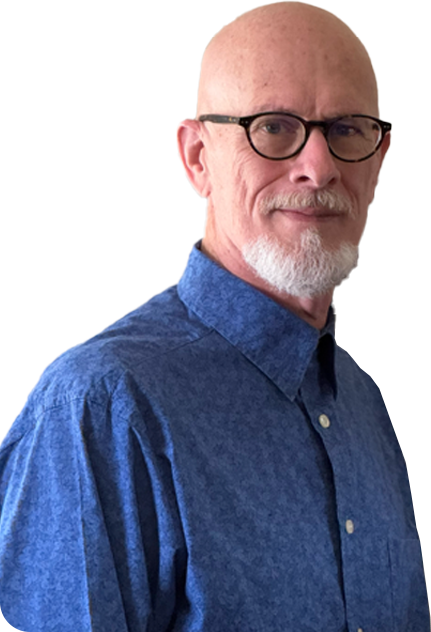
Dean Nelson is a best-selling author and mental health expert focused on the mind’s struggles and potential for change.
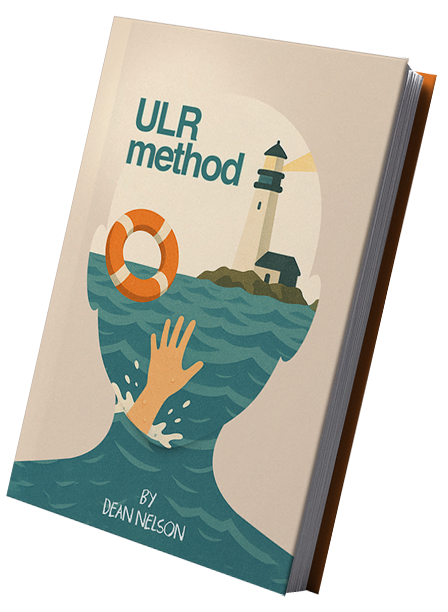
His latest book, OCD and the New ULR Method™, offers a practical, science-based tool to stop OCD patterns in real time. His past works explore emotional healing and the power of consciousness.

The Gift of Death

Why Reflecting on Death Can Clarify Life:

A reflection on how awareness of mortality can deepen appreciation, sharpen priorities, and illuminate what truly matters.

The Gift of Death

The Quiet Courage of Facing Mortality:

A reflection on the strength that can emerge when individuals face the reality of death with honesty and openness.

The Gift of Death

What the End of Life Often Teaches Us About Living:

A reflection on the insights many people share near the end of life—and what those reflections can teach us about living more intentionally now.

The Gift of Death

Grief as an Expression of Love:

A reflection on grief, not as a problem to solve, but as a natural expression of the love we have for those who are no longer with us.

The Gift of Death

Living Well in the Presence of Death:

A reflection on how accepting the reality of death can help us live with greater clarity, compassion, and intention.

OCD & The ULR Method

Why Trying to Eliminate Thoughts Often Makes Them Stronger:

An exploration of why suppressing intrusive thoughts often intensifies them—and how a different response can begin to break the cycle

OCD & The ULR Method

Learning to Trust the Mind Again:

How obsessive thinking can erode trust in the mind—and how understanding intrusive thoughts can help restore that trust.

OCD & The ULR Method

If you live with OCD, you know the cycle well:

An urge arises—to wash, to check, to count, to repeat.
You perform the action, trying desperately to quiet the anxiety.
A moment of relief follows—but it’s fleeting.
Then comes regret—shame, guilt, or despair.

OCD & The ULR Method

What I Discovered at 68 That Changed Everything:

I lived with OCD for nearly sixty years. From childhood tics to compulsions that consumed hours of my day, I believed nothing could truly change. Every attempt to resist only made things worse. Every effort to “outthink” my OCD left me more exhausted. I thought I was destined to live out the rest of my life in that relentless cycle.

OCD & The ULR Method

Why OCD Is More Than Just Needing Things Neat:

You’ve probably heard comments like these. They’re usually tossed out casually, almost as a joke, but for those who live with Obsessive-Compulsive Disorder, these phrases sting. They reduce a serious and painful condition into a quirky personality trait. And worse, they feed into
the shame and silence that already surround OCD.

Beyond the Threshold

What Happens When the Mind Begins to Quiet:

A reflection on what many people discover when the constant activity of thought begins to settle, and awareness becomes clearer.

Beyond the Threshold

The Threshold Between Thought and Awareness:

A reflection on the subtle but important distinction between the thoughts that move through the mind and the awareness in which those thoughts appear.

Beyond the Threshold

Discovering the Stillness That Was Always There:

A reflection on the quiet awareness that remains present beneath the activity of thought and emotion.

The Mindfulness Approach

The Simple Power of Paying Attention:

A reflection on how mindful attention can bring clarity, calm, and a deeper experience of the present moment.

The Mindfulness Approach

Learning to Observe Without Immediate Reaction:

How mindfulness creates space between experience and reaction, allowing us to respond with greater clarity rather than habit.

The Mindfulness Approach

The Quiet Intelligence of Awareness:

A reflection on how awareness itself carries a natural clarity that emerges when the mind becomes less dominated by constant thinking.

The Experiential Approach

Understanding Through Experience:

A reflection on why genuine understanding often arises through direct experience rather than through ideas alone.

The Experiential Approach

Why Insight Often Arrives Quietly:

A reflection on why genuine insight usually develops gradually through observation and experience rather than through sudden dramatic realizations.

The Experiential Approach

Letting Experience Become the Teacher:

A reflection on how our own experience can become one of the most reliable guides for understanding the mind and navigating life.

The ULR Method™: Urge, Label, Relief

If you live with OCD, you know the cycle well:

An urge arises—to wash, to check, to count, to repeat.
You perform the action, trying desperately to quiet the anxiety.
A moment of relief follows—but it’s fleeting.
Then comes regret—shame, guilt, or despair.

What I Discovered at 68 That Changed Everything

I lived with OCD for nearly sixty years. From childhood tics to compulsions that consumed hours of my day, I believed nothing could truly change. Every attempt to resist only made things worse. Every effort to “outthink” my OCD left me more exhausted. I thought I was destined to live out the rest of my life in that relentless cycle.

Why OCD Is More Than Just Needing Things Neat

You’ve probably heard comments like these. They’re usually tossed out casually, almost as a joke, but for those who live with Obsessive-Compulsive Disorder, these phrases sting. They reduce a serious and painful condition into a quirky personality trait. And worse, they feed into
the shame and silence that already surround OCD.

Scroll to Top